
What makes joint pain worse?
Some days your knees take the stairs without complaint and your hands open jars easily. Other days every joint seems to ache, the first steps out of a chair are stiff and you start wondering whether things are suddenly getting worse.
Usually they are not. What changes from one day to the next is mostly everything around the joint — how long you sat still, how much you did, the load you carried, how you slept, how stressed you were, what you ate and drank, and perhaps the weather.
In brief: the joint is steady, the load on it is not
Whatever lies behind your joint pain — osteoarthritis, an old injury, a tendon problem or simply years of hard use — it rarely changes overnight. So when your joints flare up from one day to the next, the useful question is not “how much worse is my knee?” but “what has changed around it?”
Almost always the answer is a combination: too much sitting or too much at once, extra load, a poor night, a stressful week, certain foods and drinks. Many of these are genuinely within your influence — which is the whole point of knowing them.
For the broader picture, see our guide on how to relieve joint pain naturally. If mornings are the hardest part, read why joints are stiff in the morning, or go straight to the practical routine in exercises for stiff joints.
- Day-to-day swings usually reflect load and sensitivity, not sudden new damage.
- Inactivity, “boom and bust” activity and extra weight are the biggest levers.
- Sleep, stress and diet quietly turn the volume of pain up or down.
Why do my joints hurt more on some days?
Three mechanisms explain nearly every trigger on this page: how much load the joint takes, how well it is supported and moving, and how sensitive your nervous system is to pain at that moment.
Load. Every step, lift and kneel passes force through your joints. Extra body weight, heavy bags, high heels and repetitive tasks all increase that force. A healthy joint copes with a lot; an irritated or arthritic one has less spare capacity, so an unusually heavy day tips it over into aching.
Movement and support. Joints are nourished by movement. When they stay still for hours, the lubricating fluid circulates less and the tissues around them stiffen. Over weeks, inactivity also weakens the muscles that act as shock absorbers, so the joint takes more of the strain itself.
Sensitivity. Pain is produced by the nervous system, not measured like a gauge. Poor sleep, stress, low mood and long-standing pain all make the system more sensitive, so the same knee or hip hurts more without anything having changed inside it.
Once you sort triggers by mechanism, the advice stops being a list of arbitrary rules and becomes something you can reason about. Less excess load, more regular movement and a calmer nervous system.
The key distinction
A bad few days is not the same as a bad trend. Fluctuation around a stable baseline is normal and usually traceable to a trigger. Pain that steadily worsens over weeks, or any of the warning signs further down this page, is a different matter and needs a medical assessment.
The most common joint pain triggers, grouped by how much they matter
Not every trigger applies to everyone. This framework helps: some factors affect nearly everybody with sore joints, some depend on the situation, and some are highly individual.
Inactivity, boom and bust, extra weight
These affect almost everyone with aching joints, and all three can be changed without medical help. Too little movement stiffens and weakens; too much at once overloads; extra weight adds force with every step.
Weather, footwear, lifting and kneeling
These matter depending on your day. A cold, wet week, a pair of worn-out shoes, a heavy shopping trip or an afternoon on your knees in the garden each add load that is easy to overlook.
Sleep, stress, smoking and diet
These vary enormously between people. A bad night or a stressful week can transform one person’s pain and barely touch another’s; the same goes for alcohol, sugary drinks and, in gout, purine-rich food.

- Sitting still for long periods: Desk days, long drives and evenings on the sofa let joints stiffen and muscles tighten. The first steps afterwards are often the most painful.
- “Boom and bust” activity: On a good day it is tempting to catch up on everything — then pay for it with two bad days. Sudden spikes in activity are a classic cause of a joint pain flare-up.
- Extra body weight: Your knees carry a multiple of your body weight with each step. Research in knee osteoarthritis found that each kilogram lost removes roughly four kilograms of load from the knee per step.
- Cold, damp weather: Many people feel it in their joints, although the evidence on weather and barometric pressure is mixed (more on this below).
- Unsupportive footwear: Worn-out soles, thin flat shoes and high heels change how force travels through the feet, knees, hips and back.
- Heavy lifting, carrying, kneeling and repetitive strain: Heavy bags, lifting with a twist, kneeling on hard floors and repeating the same movement for hours all concentrate stress on a few joints.
- Poor sleep: Even one short night lowers pain tolerance the next day — and pain then disturbs the next night.
- Stress and low mood: Both heighten pain sensitivity and make it harder to stay active.
- Smoking: Smoking is a well-established risk factor for rheumatoid arthritis, can make it harder to control, and slows the healing of bones and soft tissues.
- Certain foods and drinks: Ultra-processed food and sugary drinks add to weight gain; alcohol, sugary drinks and purine-rich foods can trigger gout.
- Not drinking enough: The evidence is modest, but dehydration matters in gout and can leave you tired and crampy.
- Ignoring an old injury or weak muscles: A previously injured knee or ankle, or weak thigh and hip muscles, leave a joint with less support and more strain.
Does weather affect joint pain?
It is one of the most common things people with arthritis say — “I can feel the rain coming in my knees” — and also one of the hardest to prove.
The research is genuinely mixed. Some large studies, including a UK smartphone study in which thousands of people logged their pain alongside local weather data, found modest links between more pain and higher humidity, lower air pressure and stronger wind. Other studies have found no clear connection between weather and joint or back pain at all. There is no convincing evidence that cold, damp weather damages joints.
Several explanations are plausible. A drop in barometric pressure may let tissues around a sensitive joint expand very slightly. Cold makes muscles and soft tissues tighter and slower to warm up. And on grey, wet days most of us move less, stay hunched and feel lower in mood — all of which make joints feel worse on their own.
In other words, the weather may be partly a trigger and partly a signal for other triggers. That is good news, because you cannot change the forecast but you can change how you respond to it.
A practical rule
On cold, damp days, dress in warm layers (gloves for sore hands, a long coat or thermal leggings for knees and hips), start the day with a warm shower and a few gentle movements, and plan indoor activity — a walk around a shopping centre, an exercise video or a swim — so the weather does not quietly stop you moving.
Foods and drinks that can make joint pain worse
No single food causes or cures joint pain for everyone. But what you eat and drink can work for or against your joints in a few well-understood ways.
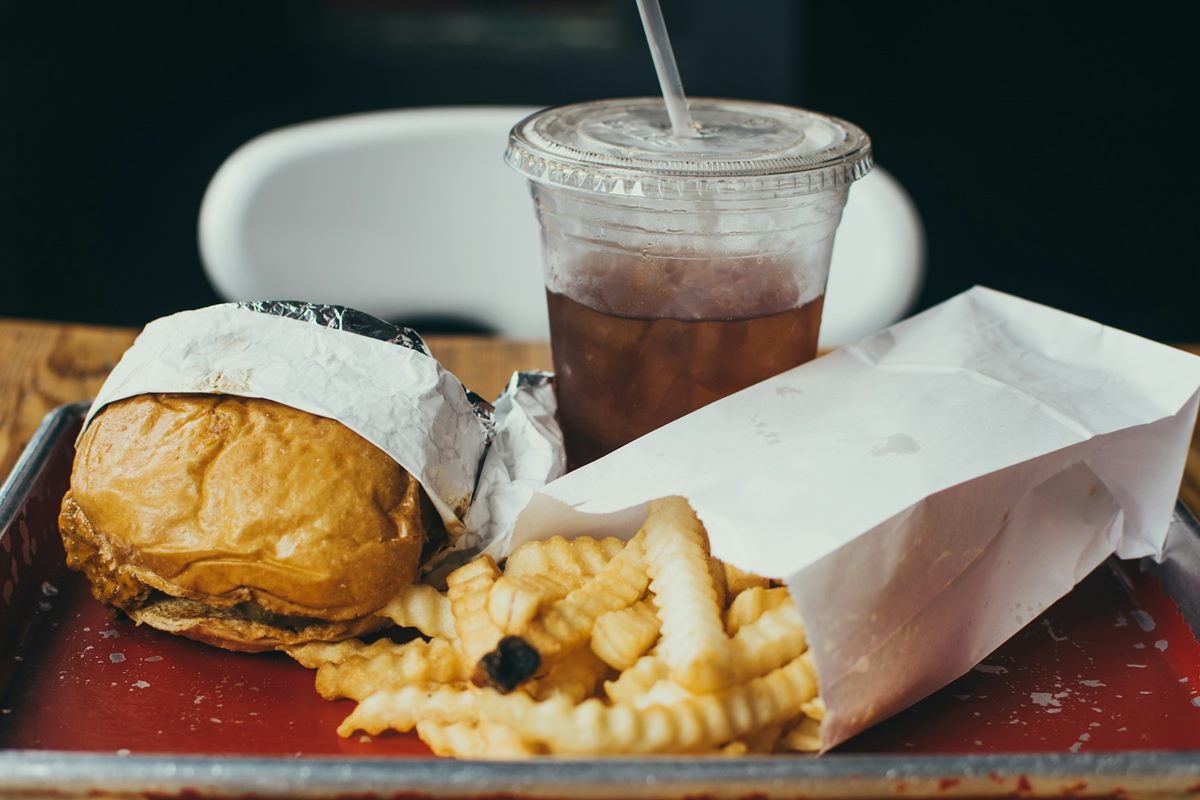
Ultra-processed food and sugary drinks. Crisps, biscuits, ready meals, sweets and fizzy drinks are easy to over-eat and make weight gain more likely, which adds load to the knees, hips and feet. Diets built around them are also linked with higher levels of inflammation in the body generally. Swapping some of them for vegetables, fruit, pulses, wholegrains, nuts and oily fish is one of the more useful long-term changes you can make.
Alcohol. Alcohol disturbs sleep quality, adds calories and can interact with some pain medicines. For people with gout it is a direct trigger — beer and spirits in particular.
Gout triggers. Gout is caused by urate crystals forming in a joint, often the big toe. Urate comes partly from purines in food and drink. Common triggers include beer, offal such as liver and kidneys, shellfish, large portions of red meat and sugary drinks sweetened with fructose, which raise urate levels. If you have been diagnosed with gout, cutting back on these is worth discussing with your doctor alongside any treatment.
Hydration. Here the evidence is modest, so it is worth being careful about claims. Drinking extra water will not “lubricate” or rebuild cartilage. Staying well hydrated does support general health, and in gout dehydration can concentrate urate and make attacks more likely. Drink steadily through the day; there is no need to force large volumes, and if you have heart or kidney problems follow your doctor’s advice on fluids.
Avoid elimination diets without a reason
Many popular lists tell people with joint pain to cut out tomatoes, dairy, gluten or all “nightshades”. There is little good evidence for this in most people. If you suspect a personal food trigger, note it in your diary and test it for a couple of weeks rather than removing whole food groups — and talk to a doctor or dietitian before making big changes.
How the “boom and bust” cycle builds itself
There is one trigger that is not a single activity at all, and it quietly makes everything else worse: the pattern of doing a lot on good days and very little on bad ones.
It starts sensibly. Your knees feel better on Saturday, so you finally tackle the garden, the shopping and the spare room. By Sunday evening your joints are aching, so you rest for two or three days to let them settle.
But during those rest days, joints stiffen and muscles lose a little conditioning. The next good day you try to catch up again, starting from a slightly weaker base — and the flare comes sooner. Over months, the swings get bigger and the comfortable range of activity gets smaller.
The way out is gradual, not heroic. Work out how much you can do on a bad day without a flare, start just below it every day, and increase slowly by around 10% a week. Split big jobs across several days and take breaks before pain builds, not after.
This is not about willpower
Pacing is a recognised technique for long-term pain, often taught by physiotherapists and occupational therapists. It works best once the cause of your joint pain has been checked, so you know which activities are safe to build up.
Joints feel easier, so you catch up on everything you have been putting off.
The sudden spike in load leaves joints sore, swollen or stiff the next day.
You do very little while it settles, and joints stiffen and muscles weaken a little.
Each new burst starts from a weaker base, so the flare comes sooner.
A steady daily baseline, built up slowly, keeps you active without paying for it later.
How triggers show up in everyday life
It is rarely the ache alone that weighs heaviest. The pressure comes from planning around it and from worrying about how tomorrow will feel.
Shopping and carrying
Heavy bags in one hand load the shoulder, elbow, wrist and the hip and knee on the same side. A trolley, a rucksack or splitting the load between two bags spreads the strain.
Work and screens
Long hours at a desk, in a van or on your feet in one spot all stiffen joints. Stand up, walk a few steps and change position every 30 to 60 minutes.
House and garden
Kneeling on hard floors, weeding and repetitive scrubbing concentrate stress on knees and hands, and can irritate the bursa in front of the kneecap. A kneeling pad and frequent breaks help.
Sleep and mood
Aching joints break up the night, and a poor night lowers your tolerance for pain the next day. That is why sleep is often worth tackling early.

How to track your joint pain triggers
Triggers are individual, and memory is unreliable. A simple diary for two to four weeks shows patterns that are almost impossible to spot otherwise.
Use a notebook or the notes app on your phone and spend a minute or two each evening. Score your pain from 0 to 10 and note when it was at its worst. Then jot down a few of the following:
- how long you sat still, and how active you were (steps, chores, sport, gardening),
- anything heavy you lifted or carried, and time spent kneeling or on your feet,
- the shoes you wore,
- how long and how well you slept,
- your stress level and mood,
- what you ate and drank, including alcohol and sugary drinks,
- the weather — cold, damp, a sudden change.
Look for delays as well as same-day effects: joints often react 24 to 48 hours after a busy day, not during it. Once a pattern stands out, change one thing at a time and keep it up for two weeks before judging it. Bring your diary to any appointment — it gives a doctor or physiotherapist far more to work with than “it comes and goes”.
Keep it light
The aim is to learn your pattern, not to monitor every minute. If tracking starts to make you more anxious about your joints, cut it back to a pain score and two or three key notes a day.
What helps when your joints flare up
The aim is not to avoid everything at once. It is to reduce the load, find your own pattern and keep the changes that actually earn their place.
During a flare-up, reduce how hard and how long you exercise for a few days rather than stopping altogether. Gentle movement through a comfortable range stops stiffness setting in.
Set a reminder to stand, walk and stretch every 30 to 60 minutes. A few ankle circles, knee bends and shoulder rolls at your desk count too.
Spread demanding jobs across the week, alternate heavy and light tasks and stop for a break before pain builds. Build activity up by small steps.
A warm shower or heat pack for 15 to 20 minutes eases stiffness; a wrapped cold pack for 10 to 15 minutes calms a joint that is swollen after overdoing it.
Stronger thigh, hip and core muscles take load off the knees, hips and back. Our guide to exercises for stiff joints is a good place to start.
Supportive, cushioned shoes with a low heel, a trolley for shopping, a kneeling pad in the garden and, if needed, gradual weight loss all reduce the force on your joints.
Keep a regular bedtime, avoid alcohol late in the evening and try a pillow between your knees if you sleep on your side. A warm bath before bed helps many people.
A pharmacist can suggest pain relief that suits your joints and any medicines you already take — anti-inflammatory gels are often tried before tablets for knees and hands.
Common mistakes that make joint pain worse
Most of these reactions are understandable. They also tend to work against the person making them.
Resting completely
A day or two of taking it easy can help after overdoing it, but weeks of avoiding movement stiffen joints and weaken the muscles that protect them.
Catching up on good days
Cramming a week’s jobs into one good day is the fastest route to a flare. Little and often beats all at once.
Treating pain as damage
Some discomfort during activity is common and not usually a sign of harm. Pain that is much worse the next day is a signal to ease back, not to stop.
Ignoring an old injury
A knee or ankle that was never properly rehabilitated, or muscles that stayed weak afterwards, keeps loading the joint unevenly. A physiotherapist can help, even years later.
Cutting out whole food groups
Strict elimination diets without a clear reason rarely help and can leave gaps in your nutrition. Test one suspected trigger at a time instead.
Judging on a single bad day
Joint pain fluctuates. Reacting to one bad morning leads to worry and unnecessary restrictions. Look at two-week patterns instead.
Ignoring warning signs
A hot, red, swollen joint, a fever, a joint you cannot bear weight on or pain that keeps getting worse are not trigger problems. They need medical attention.
When should you see a doctor about joint pain?
Many aggravating factors are about everyday load and habits and respond to adjustment. Some situations still need a doctor, and a few need one urgently.
Seek help urgently if…
- a joint is suddenly hot, red and swollen, especially if you also have a fever or feel unwell,
- you cannot put weight on a leg or move a joint after a fall or injury,
- a joint looks deformed, or you heard a crack or pop at the time of injury,
- pain is severe and came on suddenly without an obvious reason.
Arrange an appointment if…
- joint pain has not improved after two weeks of self-care, or keeps getting worse,
- several joints are swollen, or morning stiffness lasts longer than about 30 minutes,
- the pain wakes you at night,
- a joint locks, gives way or keeps clicking painfully,
- you have unexplained weight loss, tiredness, a rash or a fever alongside joint pain,
- you think you may have gout — sudden, intense pain, often in the big toe.
An assessment can identify what is actually driving the pain — osteoarthritis, an inflammatory arthritis, gout, a tendon or bursa problem, or something else — and make sure nothing that needs treatment is missed. Everyday adjustments and food supplements can then support daily life alongside whatever is found. They do not replace diagnosis or treatment.
Editorial note
This page provides general information and practical day-to-day guidance. It does not replace a medical diagnosis, personalised advice or care from a healthcare professional. In an emergency, call 112 in Europe or 999 in the UK.
Movelityn as complementary support for everyday life
Understanding your triggers is one part of looking after your joints. Regular movement, sensible pacing, a joint-friendly weight, good sleep and a balanced diet matter just as much — and a routine built on avoiding everything is not a solution either.
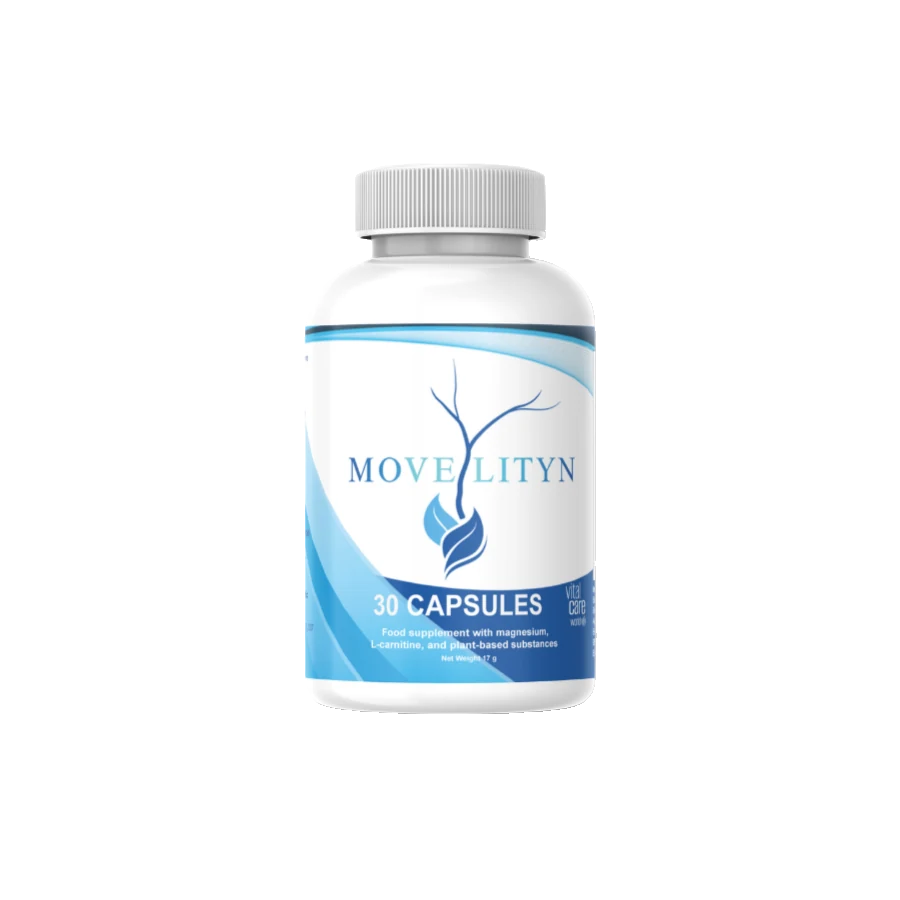
Movelityn fits into that approach as a natural food supplement for people who want to support comfortable, flexible movement as part of their daily wellbeing routine. One capsule twice a day, ideally 20 to 30 minutes before a meal with a glass of water. It is not a treatment for arthritis or any other condition, not a single solution, and not a substitute for medical assessment.
- Turmeric rhizome (1,200 mg) – Curcuma longa, the golden spice used in traditional kitchens for centuries
- Standardised turmeric extract (100 mg) – 95% curcuminoids, providing 96.8 mg of curcumin per daily serving
- BioPerine® black pepper extract (10 mg) – standardised to 95% piperine, included because piperine increases how well curcumin is absorbed
- 60 capsules per bottle – a full month’s supply at two capsules a day, with every amount printed on the label and no proprietary blend
Turmeric and its curcuminoids have been studied for joint comfort, and the evidence is promising but not conclusive. If you take prescription medicines, particularly blood thinners, or have gallbladder or liver problems, ask a doctor or pharmacist before starting any supplement. We publish the full label and the research behind each ingredient, with every study named, on the Movelityn transparency page.
Frequently asked questions: what makes joint pain worse?
What makes joint pain worse most often?
The most common triggers are long periods sitting still, sudden bursts of activity after doing little, carrying extra body weight, heavy lifting, kneeling or repetitive tasks, unsupportive footwear, poor sleep and stress. Cold, damp weather bothers many people too, although the research on weather is mixed. For people with gout, alcohol, sugary drinks and purine-rich foods are well-known triggers.
Does weather really affect joint pain?
Many people with arthritis are convinced it does, but studies disagree. Some large studies have found small links between joint pain and humidity, air pressure or wind, while others have found no clear connection. Part of the effect may be that people move less and feel tenser on cold, wet days. Keeping warm in layers and staying active indoors are sensible either way.
Which foods make joint pain worse?
No single food causes joint pain for everyone. A diet high in ultra-processed food and sugary drinks makes weight gain more likely, which adds load to the knees and hips. Alcohol can disturb sleep and, in gout, beer, spirits, sugary drinks sweetened with fructose and purine-rich foods such as offal, shellfish and large portions of red meat can trigger attacks. If you suspect a personal food trigger, keep a diary rather than cutting out whole food groups.
Why do my joints hurt more after sitting for a long time?
When a joint stays still, the fluid inside it circulates less and the surrounding muscles and soft tissues stiffen, so the first movements afterwards feel sore and tight. This kind of stiffness usually eases within a few minutes of moving. Getting up for a short walk or stretch every 30 to 60 minutes helps prevent it.
Can stress and poor sleep make joint pain worse?
Yes. Neither damages the joint, but both make the nervous system more sensitive, so the same joint feels more painful. A bad night often lowers pain tolerance the next day, and pain in turn disturbs sleep. A regular sleep routine, daily movement and ways of winding down help break that cycle.
Does drinking more water help joint pain?
The evidence is modest. Drinking extra water does not rebuild cartilage, but staying well hydrated supports general health and matters for people with gout, because dehydration can raise urate levels. Drink regularly through the day, but there is no need to force large volumes, and follow medical advice if you have heart or kidney problems.
Should I stop exercising during a joint pain flare-up?
Usually not completely. Reduce the intensity and duration for a few days, swap to gentler activity such as walking, swimming or cycling and keep the joint moving within a comfortable range. Total rest tends to bring stiffness and weaker muscles. If a joint is hot, red and very swollen, or you cannot bear weight on it, get it checked first.
When should I see a doctor if my joint pain gets worse?
Seek urgent help if a joint is suddenly hot, red and swollen, especially with a fever, if you cannot put weight on it after an injury or if it looks deformed. Book an appointment if pain has not improved after two weeks of self-care, keeps getting worse, wakes you at night, affects several joints or comes with morning stiffness lasting longer than about 30 minutes.
Discover Movelityn
as daily support.
Movelityn can complement a mindful routine around regular movement, comfortable joints and everyday wellbeing. If symptoms are new, worsening or significant, medical advice remains essential.
Learn more about MovelitynMovelityn is a food supplement, not a medicine. Natural support should be used realistically: as a complementary approach, not as a promise.
Wondering whether Movelityn is legitimate? Read our transparency article: Is Movelityn a scam or legit?