
Why are my joints stiff in the morning?
You went to bed feeling fine. Then the alarm goes — and your fingers will not quite close, your knees creak on the first step and your back feels as if it belongs to someone twenty years older. Half an hour later, after a shower and a cup of tea, most of it has gone. It can feel as if your joints age overnight. In reality, the reasons are surprisingly physical — and many of them can be adjusted.
In brief: morning stiffness is not your imagination
Almost everyone notices it sooner or later. During the day your joints cope; the first hour after waking is when they protest. For some people it is a minor nuisance, for others it shapes the whole morning — getting dressed, doing up buttons, walking the stairs or getting the children to school.
The useful news is that morning stiffness is not simply “your joints getting worse while you sleep”. It is the result of several ordinary processes stacking up overnight. Once you can see them separately, several turn out to be things you can change — and how long the stiffness lasts tells you a lot about whether it needs a doctor’s attention.
For the wider picture, start with our guide on how to relieve joint pain naturally. If you want something practical right now, go straight to our exercises for stiff joints.
- Hours without movement let joint fluid thicken and soft tissues tighten.
- Stiffness that eases within 30 minutes is common; much longer deserves a check.
- Warmth, gentle movement and a slower start are the easiest things to change.
What actually happens to your joints overnight
Several things happen at once: the joint is still for hours, its lubrication slows down, the tissues around it cool and tighten, and your body’s inflammatory rhythm reaches its daily peak.
Start with the joint itself. Each of your movable joints is enclosed in a capsule filled with synovial fluid, a slippery, gel-like liquid that lubricates the cartilage and carries nutrients to it. Movement keeps that fluid circulating and thin. When a joint stays still for hours, the fluid becomes thicker and spreads less evenly, a little like honey on a cold morning. Doctors call the stiffness that follows a period of rest the “gel phenomenon” — and it explains why the same joint can feel stiff after a long car journey or a film as well as after a night’s sleep.
Then there are the soft tissues. Muscles, tendons and ligaments are slightly cooler and less elastic after hours of stillness, and any fluid that has built up around an irritated joint has had all night to settle there. The first movements of the day have to work against all of that at once, which is why the opening steps feel the hardest and why things loosen as you warm up.
Finally, your body clock. Many inflammatory signals in the body follow a daily rhythm and tend to be highest in the late night and early morning, while cortisol — the body’s own natural anti-inflammatory hormone — only starts to rise around the time you wake. In most people this barely registers. In inflammatory conditions such as rheumatoid arthritis, it is a major reason why mornings are so much harder than evenings.
Important: not every stiff morning is “just age”
Morning stiffness is a symptom, not a diagnosis. Short-lived stiffness is common and usually harmless, but stiffness that lasts a long time, affects several joints or comes with swelling can be the first sign of an inflammatory condition that responds much better when treated early. That is exactly why the pattern deserves attention rather than an assumption.
How long does morning stiffness last — and what can it mean?
The length of your morning stiffness is one of the most useful clues you have. Doctors ask about it for a reason.
A few minutes
Brief stiffness that disappears once you have walked around the bedroom is very common, especially after a busy day, a poor night or as you get older. It is rarely a cause for concern on its own.
Up to about 30 minutes
Typical of osteoarthritis, the most common form of arthritis. Knees, hips, hands and the lower back feel stiff on waking or after sitting still, then ease with gentle movement, often returning towards the end of a busy day.
More than 30–60 minutes
Stiffness that regularly lasts longer than this, particularly with swollen, warm or tender joints, is more typical of inflammatory arthritis such as rheumatoid arthritis or psoriatic arthritis, and should be checked by a doctor.
Both small joints and both sides
Stiffness and swelling in the small joints of both hands, wrists or feet at the same time is a pattern doctors associate with rheumatoid arthritis. Early assessment matters, because early treatment protects the joints.
Shoulders and hips, over 50
Marked stiffness and aching across both shoulders, the neck or the hips, often making it hard to get out of bed, can point to polymyalgia rheumatica. It usually affects people over 50 and needs medical treatment.
Lower back that improves with exercise
Back stiffness that is worst in the morning, wakes you in the second half of the night and improves with movement rather than rest, especially if it started before 40, is worth mentioning to a doctor too.
A typical morning with stiff joints
Most people describe a recognisable rhythm. It is not random, and seeing it laid out as a sequence often makes it obvious where the adjustable points are.
Notice how much of it is set before you ever wake up. By the time the alarm goes, how stiff you feel has partly been decided by how active you were the day before, how warm the bedroom was, how well you slept and how you lay in bed.
That is the useful part. You cannot change your joints overnight, but you can change several of the inputs — and you can shorten the stiff phase once it starts.
The alarm goes. Fingers feel puffy and slow to close; knees and back are stiff after hours of stillness.
The first steps: the hardest of the day. Stairs feel steep and the feet are tender on the floor.
A warm shower and some gentle movement: the joint fluid circulates again and the tissues warm up.
Moving much more freely. In osteoarthritis, most of the stiffness has usually gone by now.
What makes morning stiffness worse
Not every factor applies to everyone. The most useful approach is to note your own pattern for two weeks rather than changing everything at once.
- An unsupportive mattress or pillow: a sagging or very hard mattress, or a pillow that bends the neck, leaves joints and muscles strained for hours.
- Sleeping in one tight position: curled up with knees and hips bent, or lying on one shoulder all night, lets those joints stiffen in place.
- A cold bedroom: cool muscles and soft tissues are less elastic, so joints start the day tighter.
- Doing very little the day before: a long day of sitting gives joints a head start on stiffening overnight.
- Overdoing it the day before: a whole day of gardening, DIY or a long walk after weeks of inactivity can leave joints sore and puffy the next morning.
- Carrying extra weight: more load on the knees, hips and feet means more for them to recover from overnight.
- Poor or short sleep: broken nights make the nervous system more sensitive, so stiffness and aching register more strongly.
- Rushing the first hour: leaping out of bed and straight into demanding tasks gives stiff joints no time to loosen.
A detailed breakdown of everyday triggers is in our guide to what makes joint pain worse.
How stiff mornings affect everyday life
The problem is rarely the stiffness itself. It is what it does to the start of every day. Fiddly tasks such as buttons, jar lids, earrings and shoelaces take longer; the stairs need a hand on the banister; you leave earlier for work because you cannot hurry.
People often describe the consequences before they describe the symptom: feeling older than they are, irritability at being slow, cancelling early-morning plans, or waking before the alarm to give themselves time. Some quietly stop doing things they enjoy because the morning after feels too costly.
There is also a cycle to be aware of. Stiffness makes people move less, and moving less makes joints stiffer. Breaking that loop, gently and consistently, is often the single most effective thing you can do.
What can genuinely help with morning stiffness
Simple, repeatable adjustments tend to work better than a dramatic overhaul that lasts four days.
A few minutes of gentle movement under the duvet — ankle circles, knee bends, opening and closing your hands — gets the joint fluid moving before you put weight on your joints.
A warm shower or bath for 10 to 15 minutes relaxes muscles and soft tissues and is one of the quickest ways to shorten the stiff phase. A heat pack wrapped in a towel works for one joint.
Gentle stretches straight after a warm shower are more comfortable and more effective than stretching cold. Move slowly, never bounce and stop short of pain.
Set the alarm 15 minutes earlier so the first hour is not a rush. Leave fiddly or heavy jobs until your joints have loosened up.
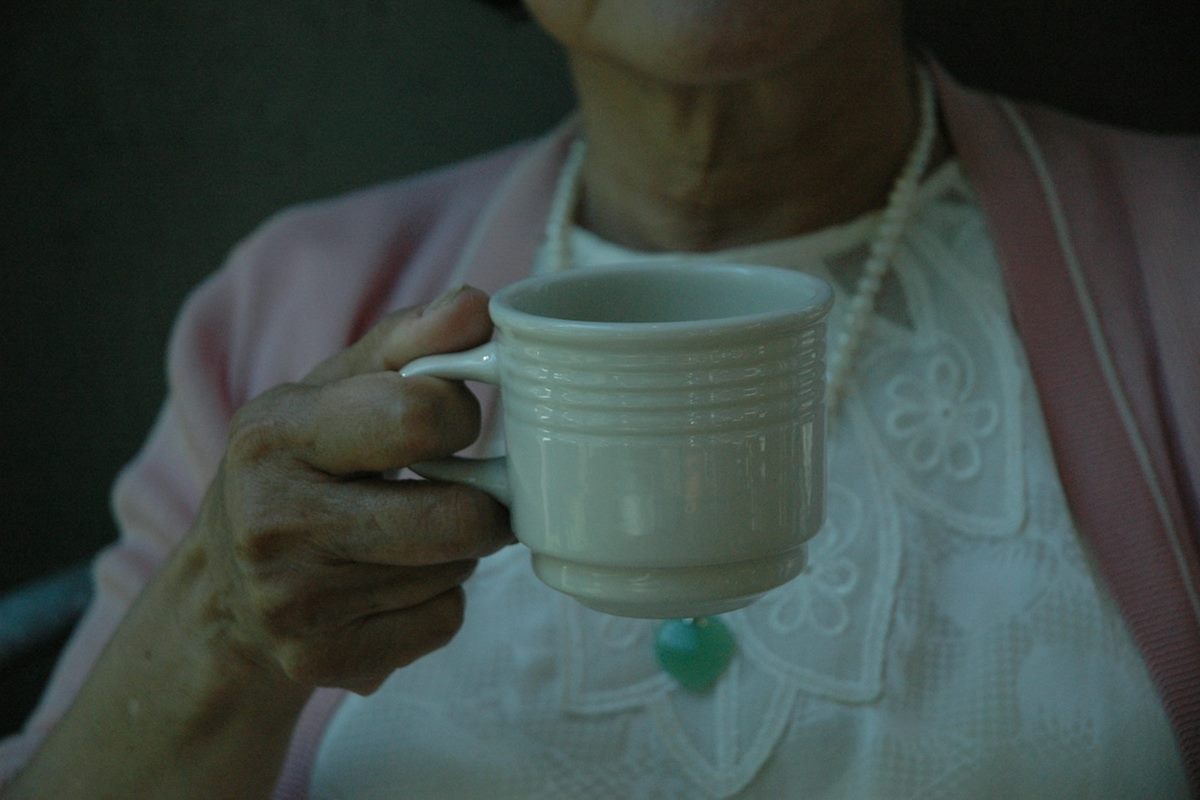
A glass of water and a proper breakfast get the day going. A warm drink held in both hands is also a pleasant way to warm stiff fingers.
A slightly warmer bedroom, warm nightwear or socks and an extra layer on cold nights mean joints do not start the day chilled.
A medium-firm, supportive mattress, a pillow that keeps your neck level and a pillow between the knees if you sleep on your side help many people wake less stiff.
Joints that move during the day stiffen less overnight. Aim for regular walks and get up every 30 to 60 minutes if you sit for long periods, without overdoing it.
A simple 15-minute morning routine
None of these steps will change what is happening inside a joint. They shorten the time it takes you to get moving comfortably.
Wake the joints gently
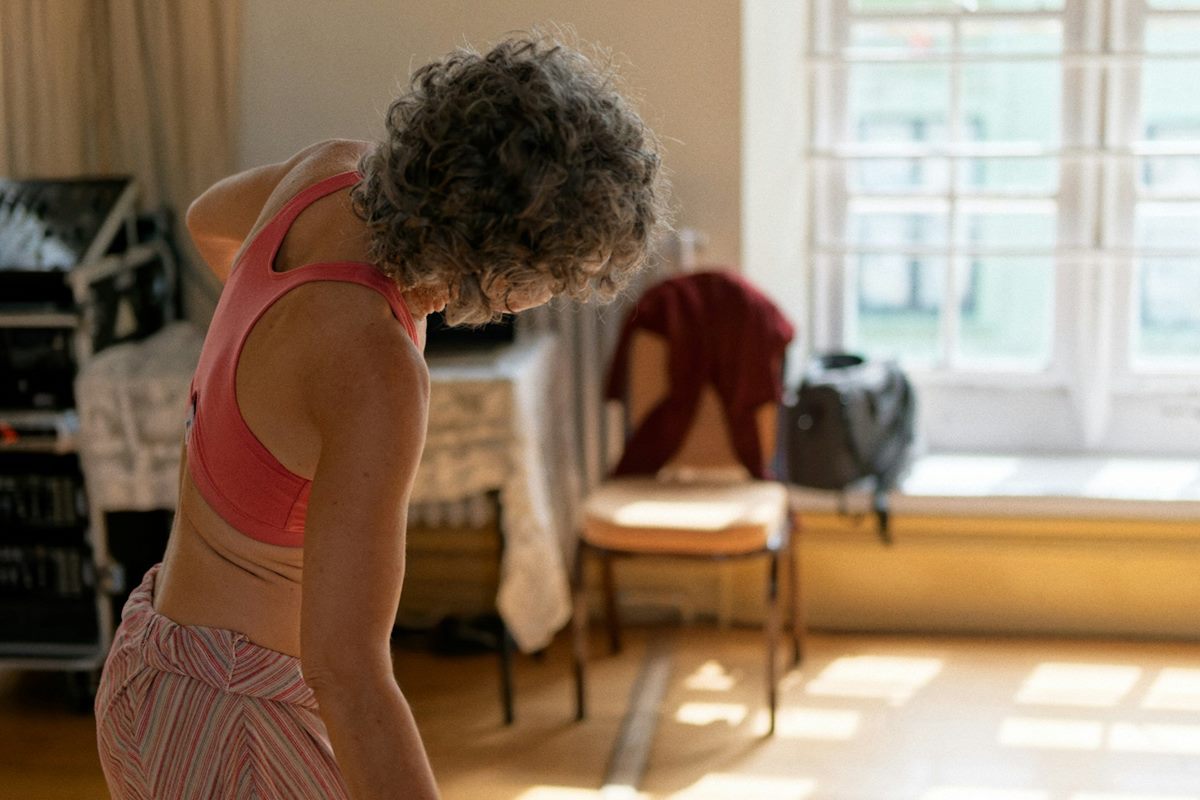
Lying on your back, circle your ankles and wrists ten times each way, slide each heel towards you and back, open and close your hands into soft fists and hug one knee at a time towards your chest.
Warm up, then stretch
Ten minutes in a warm shower, then a few easy stretches while you are still warm: shoulder rolls, gentle neck turns, a calf stretch against the wall and slow side bends.
Fuel and pace
A glass of water, a warm drink and breakfast. Walk around the house for a few minutes before tackling stairs, driving or anything heavy or fiddly.
If you would like a fuller set of movements, with clear instructions for knees, hips, hands and back, see our guide to exercises for stiff joints.
An evening routine that makes mornings easier
A good morning partly starts the night before. These steps change how much stiffness your joints build up between midnight and the alarm.
Move a little
A short, relaxed walk after dinner or ten minutes of gentle movement keeps joints from settling into the stiff, sofa-bound state that carries on overnight.
Warm and loosen
A warm bath or shower, followed by a few slow stretches for the hips, knees and shoulders, relaxes tight muscles before hours of stillness.
Set up the bed
A comfortably warm room, an extra blanket within reach, a pillow that keeps your neck level and one between your knees if you sleep on your side.
Common mistakes that make mornings harder
Staying in bed longer to “rest” the joints
It feels logical, but more stillness usually means more stiffness. Joints loosen with use, so gentle movement is almost always a better plan than an extra hour lying still.
Forcing hard stretches while still cold
Pushing a stiff joint into a deep stretch the moment you wake can strain tissues that are not yet warm. Warm up first, move slowly and keep stretches comfortable.
Assuming it is only getting older
Stiffness that lasts more than half an hour, affects several joints or comes with swelling, fatigue or stiffness across both shoulders can point to an inflammatory condition. That is worth finding early.
When medical advice is important
Much of what happens in the morning comes down to stillness, temperature and habit, and responds to adjustment. But some patterns need an assessment by a doctor rather than a better morning routine.
Seek medical advice if your morning stiffness…
- regularly lasts longer than 30 minutes to an hour,
- comes with swollen, warm or tender joints, especially in the hands, wrists or feet,
- affects the same joints on both sides of the body,
- comes with stiffness and aching across both shoulders or hips, particularly if you are over 50,
- comes with unusual tiredness, a fever, weight loss or a rash,
- is getting steadily worse, or is affecting your sleep, work or daily life.
Seek help urgently (112 in Europe, 999 in the UK for emergencies) if a joint is suddenly hot, red and very swollen, especially with a fever, or if you have a new headache, scalp tenderness, jaw pain when chewing or changes in your vision alongside shoulder and hip stiffness.
An assessment can distinguish between ordinary stiffness, osteoarthritis, rheumatoid arthritis, polymyalgia rheumatica and other conditions that produce a similar pattern. Routines and food supplements can then support daily life alongside whatever is found — but they do not replace diagnosis or treatment.
Editorial note
This page provides general information and practical everyday guidance. It does not replace a medical diagnosis, personalised advice or care from a healthcare professional.
Movelityn as part of an easier morning routine
When mornings start stiff, what helps is rarely one trick. It is a combination: regular movement through the day, a warm bedroom and a supportive bed, gentle movement before you get up, a warm shower, a slower start — and complementary nutritional support that is easy to keep up.
Movelityn is a natural food supplement for people who want to support comfortable, flexible movement as part of their daily wellbeing routine. One capsule twice a day, ideally 20 to 30 minutes before a meal with a glass of water. It is not a treatment for arthritis or any other condition, and not a substitute for medical assessment.
- 1,200 mg turmeric rhizome (Curcuma longa) per daily serving
- 100 mg standardised turmeric extract with 95% curcuminoids, providing 96.8 mg of curcumin
- BioPerine® black pepper extract (10 mg, 95% piperine), which helps the body absorb curcumin
- Every ingredient and amount printed on the label — no proprietary blends
Turmeric’s curcuminoids are studied for their role in the body’s normal inflammatory response; the evidence is promising but not conclusive. If you take blood thinners or other prescription medicines, or have gallbladder or liver problems, ask a doctor or pharmacist first. See the full label and the research behind each ingredient on the transparency page.

Frequently asked questions about morning joint stiffness
Why are my joints stiff in the morning?
During sleep your joints barely move for several hours. The fluid that lubricates them becomes thicker and circulates less, the surrounding muscles, tendons and ligaments cool and tighten, and any fluid around an irritated joint has time to settle. Inflammation also follows a daily rhythm and tends to be highest in the early hours. Movement and warmth reverse most of this, which is why stiffness usually eases once you get going.
How long should morning stiffness last?
Ordinary stiffness, and the stiffness of osteoarthritis, usually wears off within about 30 minutes of getting up and moving. Stiffness that regularly lasts longer than 30 minutes to an hour, especially with swollen, warm or painful joints in the hands, wrists or feet, or stiffness across both shoulders or hips, can point to an inflammatory condition such as rheumatoid arthritis or polymyalgia rheumatica and should be checked by a doctor.
Is morning stiffness a sign of arthritis?
Not necessarily. Most people feel a little stiff after a night’s sleep, especially after a busy day or as they get older. It becomes more significant when it happens most mornings, lasts longer than about half an hour, affects several joints or comes with swelling, warmth or unusual tiredness. Those patterns are worth discussing with a doctor, because inflammatory arthritis responds best to early treatment.
How can I relieve morning stiffness quickly?
Start moving before you get out of bed: circle your ankles and wrists, bend and straighten your knees and gently open and close your hands. Then take a warm shower or bath for 10 to 15 minutes, do a few gentle stretches while you are warm and give yourself a slower start to the day. Keeping the bedroom comfortably warm and moving a little in the evening make the next morning easier too.
Can my mattress or sleeping position cause stiff joints?
They can contribute. A mattress that sags or is too hard, a pillow that leaves your neck bent and sleeping curled tightly in one position for hours can all leave joints and muscles stiffer in the morning. A medium-firm, supportive mattress, a pillow that keeps your neck level and a pillow between the knees if you sleep on your side help many people.
Does cold weather make morning stiffness worse?
Many people find it does. Muscles and soft tissues tighten in the cold, and a chilly bedroom means joints start the day cool. Research on weather and joint pain is mixed, but keeping the bedroom comfortably warm, wearing warm layers in bed and starting the day with a warm shower are simple, low-risk measures.
Should I rest more if my joints are stiff in the morning?
Usually not. Staying in bed longer or avoiding movement tends to make stiffness worse, because joints loosen with use. Gentle, regular movement through the day, without overdoing it, is one of the most reliable ways to reduce stiffness the next morning. If a joint is hot, red and swollen, or you feel unwell with a fever, seek medical advice instead.
Can turmeric help with morning stiffness?
Turmeric and its curcuminoids are among the most studied botanicals for joint comfort, and several trials in people with knee osteoarthritis have reported improvements in pain and stiffness scores. The studies vary in size and quality, so the evidence is promising rather than conclusive, and there are no authorised health claims for turmeric in the EU. It is not a treatment for arthritis. Ask a doctor or pharmacist first if you take blood thinners or other prescription medicines.
Make the first hour of the day easier
Movelityn can complement a mindful routine built around regular movement, comfortable joints and easier mornings. If symptoms are new, worsening or significant, medical advice remains essential.
Learn more about MovelitynMovelityn is a food supplement, not a medicine. Natural support is best viewed realistically: as one part of a routine, not as a promise.
Wondering whether Movelityn is legitimate? Read our transparency article: Is Movelityn a scam or legit?