Understanding joint pain beyond quick fixes
It rarely starts dramatically. A knee feels a little stiff getting out of the car. Kneeling in the garden becomes something you think twice about. Opening jars takes more effort than it used to. Months later you notice that you plan your day around your joints — and you start wondering what is actually going on, what makes it worse, what genuinely helps and whether it is time to see a doctor.
The most useful first step is to understand what a joint is. Wherever two bones meet, their ends are covered with smooth, slippery cartilage and enclosed in a capsule filled with a lubricating fluid. Ligaments hold the bones together and muscles, attached by tendons, move them. When any part of that system is irritated, overloaded, injured or simply out of condition, the joint lets you know.
That is why there is rarely a single fix. What helps most is usually a combination: a medical check when warning signs are present, regular movement, stronger supporting muscles, a weight that is kind to your joints, smart everyday habits and supporting your general wellbeing along the way.
What happens inside a painful joint?
Joints are not machines that simply wear out. Cartilage, bone and the joint lining are living tissue that is constantly being broken down and rebuilt. Osteoarthritis, by far the most common cause of long-term joint pain, happens when that repair process can no longer keep pace: the cartilage thins and roughens, the bone underneath reacts, small bony growths can form and the joint lining may become irritated and swollen.
Inflammatory arthritis, such as rheumatoid or psoriatic arthritis, is different: the immune system targets the joint lining itself, often in several joints at once. Gout is caused by urate crystals forming in a joint, classically the big toe. And many aching joints have nothing to do with arthritis at all — strained tendons, irritated bursae (small fluid-filled cushions), tight muscles and old injuries are all common culprits.
How much a joint hurts does not always match what an X-ray shows. Some people with marked changes on a scan feel little pain; others with mild changes struggle every day. Muscle strength, activity, sleep, mood and general health all shape how a joint feels — which is good news, because many of those factors are within your influence.
Common signs of joint problems
- An ache in or around the joint that gets worse with use and eases with rest
- Stiffness first thing in the morning or after sitting for a while
- Swelling, warmth or a puffy feeling around the joint
- A grating, clicking or crunching sensation when moving
- Reduced range of movement — struggling to bend, straighten or grip
- A knee or hip that feels unstable or “gives way”
- Aching that is worse in cold, damp weather or at the end of a busy day
For many people the hardest part is not the pain itself but its effect on daily life: avoiding the stairs, saying no to walks with friends, broken sleep and the frustration of feeling older than you are.
Possible causes of joint pain
Short-term joint pain is most often caused by an injury, overuse or an unusual burst of activity. When it lingers or keeps coming back, several factors usually combine. Possible causes and contributing factors include:
- Osteoarthritis — the most common cause, especially in knees, hips, hands and the spine, and more likely from middle age onwards
- Injuries and overuse such as sprains, cartilage tears or repetitive strain from work, sport or hobbies
- Tendon and bursa problems such as tendinopathy and bursitis around the shoulder, elbow, hip and knee
- Inflammatory arthritis, including rheumatoid arthritis and psoriatic arthritis, which need specialist treatment
- Gout, which causes sudden, very painful attacks, often in the big toe
- Carrying extra weight, which increases the load on knees, hips and feet with every step
- Weak muscles and inactivity, which leave joints with less support and make stiffness worse
Because the drivers differ so much from person to person, general advice alone is rarely enough. Understanding your own pattern makes it much easier to respond precisely.
Why doesn’t joint pain always settle?
When a joint keeps aching, it does not automatically mean it is getting damaged. Long-standing pain often becomes a cycle: the joint hurts, so you move it less; the surrounding muscles weaken and tighten; the joint loses support and stiffens; and so it hurts more easily the next time. Over months, this cycle can do more to limit you than the original problem.
The nervous system plays a part too. Pain that has gone on for a long time can make nerves more sensitive, so that ordinary movements register as more painful than they should. Poor sleep, stress and low mood all turn that volume up. Relieving joint pain is therefore usually multifactorial: gradual movement, stronger muscles, a healthy weight, good sleep and pacing work better together than any single trick.
Why do joints feel worse in the morning?
Many people find the first hour of the day the hardest. There is a simple physical explanation for much of it.
While you sleep, your joints barely move. The lubricating fluid inside them circulates less, the surrounding muscles and soft tissues cool and tighten, and any fluid that has built up around an irritated joint has had hours to settle. Movement is what gets everything flowing again — which is why stiffness typically eases once you get going. In osteoarthritis, morning stiffness usually wears off within about half an hour. Stiffness that lasts much longer, especially with swollen joints, can point towards inflammatory arthritis and should be checked.
A warm shower, a few gentle movements before you get out of bed and a slower start to the morning often help. For the full explanation, read our guide on why joints are stiff in the morning, and the practical one on exercises for stiff joints.
What makes joint pain worse?
Triggers are individual. What one person barely notices can leave another’s knees aching for the rest of the day. A short diary helps you spot patterns: when were your joints at their worst, what had you been doing, and what were the weather, your sleep, your meals and your activity like that day?
- Sitting still for too long: long car journeys, desk days and evenings on the sofa let joints stiffen
- Sudden bursts of activity: a whole day of gardening or DIY after weeks of doing little
- Cold, damp weather: muscles tighten and many people move less
- Extra body weight: every kilogram adds load to the knees, hips and feet
- Unsupportive footwear: worn-out soles and high heels change how force travels through the legs
- Heavy lifting and awkward postures: carrying heavy shopping, kneeling on hard floors, twisting while lifting
- Poor sleep and stress: both make the nervous system more sensitive to pain
- Alcohol and sugary drinks: can trigger gout attacks and add to weight gain
Identifying your own triggers lets you respond sensibly, without reorganising your whole life. The detailed breakdown is in our guide to what makes joint pain worse.
What can help relieve joint pain naturally?
There is no instant miracle solution. Even so, small habits repeated every day make a real difference to how your joints feel. The aim is not to protect a sore joint by keeping it still, but to keep it moving, give it stronger support and reduce whatever keeps overloading or irritating it.
The most useful measures are the ones that fit your actual routine: regular gentle movement, warmth for stiffness, stronger muscles, a joint-friendly weight, sensible pacing and good sleep.
1. Keep moving — little and often
Joints are designed to move. Movement circulates the fluid that nourishes cartilage, keeps the surrounding muscles strong and stops stiffness setting in. UK guidelines for osteoarthritis put exercise at the very centre of care, ahead of any tablet. The best activity is the one you will actually keep doing.

- Aim for around 150 minutes of moderate activity a week, built up gradually — for example 20 to 30 minutes on most days
- Joint-friendly options include walking, cycling, swimming and water aerobics
- Get up and move for a few minutes every 30 to 60 minutes if you sit for long periods
- Mild discomfort during activity is normal; pain that is much worse the next day means ease back a little, not stop
2. Use warmth for stiffness, cold for flare-ups
Heat relaxes tight muscles and makes stiff joints easier to move, which is why a warm shower or bath in the morning helps so many people. Cold calms a joint that has become swollen and sore after overdoing it.
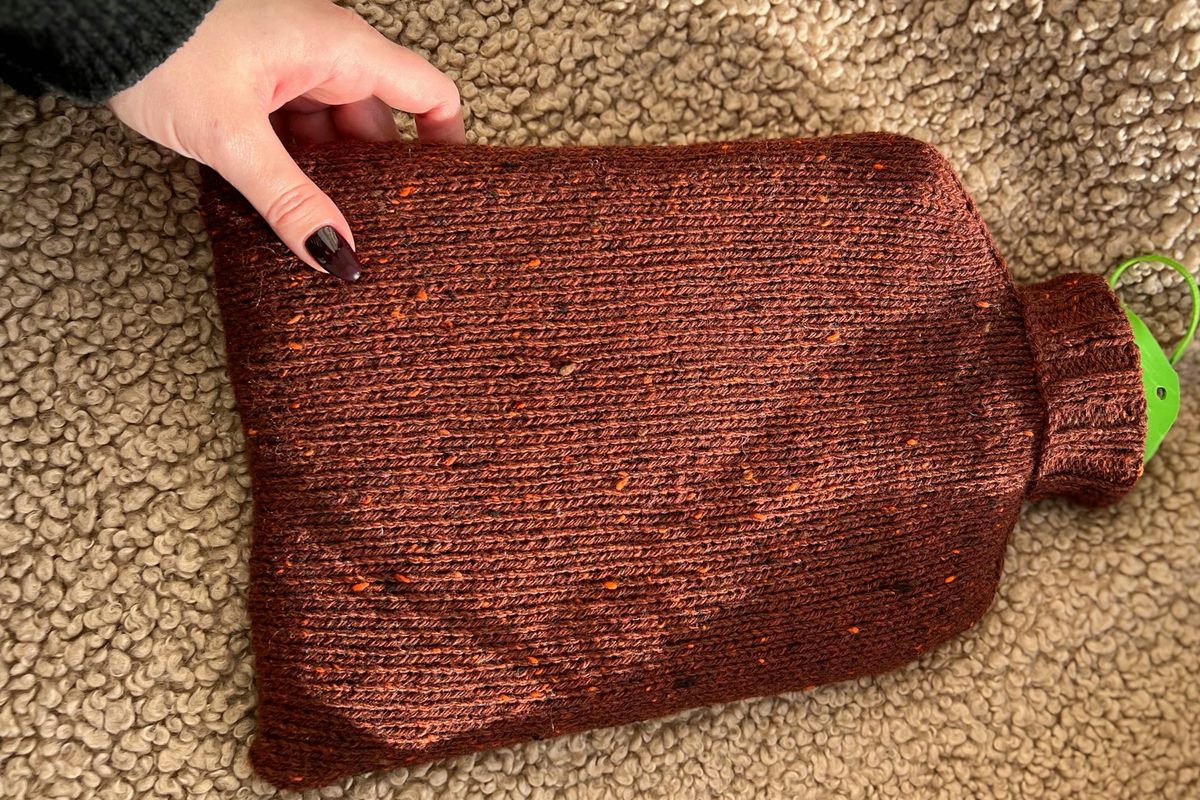
- Warmth: a heat pack, hot-water bottle or warm towel for 15 to 20 minutes before activity or first thing in the morning
- Cold: a cold pack or bag of frozen peas wrapped in a tea towel for 10 to 15 minutes after a flare-up
- Never put heat or ice directly on the skin, and take care if you have diabetes, poor circulation or reduced feeling in the area
3. Strengthen the muscles that support your joints
Strong muscles act as shock absorbers. Stronger thigh muscles, in particular, take load off the knees, and stronger hip and core muscles help the hips and back. Strength exercises do not need a gym: a chair, a step and your own body weight are enough to start.
- Sit-to-stand: stand up from a chair without using your hands, then sit down slowly. Repeat 8 to 10 times.
- Straight-leg raise: sitting tall, straighten one knee, hold for five seconds and lower slowly.
- Step-ups: step up onto the bottom stair and down again, holding the banister.
- Wall push-ups: for shoulders, elbows and wrists.
Aim for strength exercises on at least two days a week. A physiotherapist can tailor a programme to your joints and show you the right technique.
4. Take some load off weight-bearing joints
When you walk, your knees carry several times your body weight with every step. That means even modest weight loss can make a noticeable difference: research in people with knee osteoarthritis has found that each kilogram lost takes roughly four kilograms of load off the knee with each step.
You do not need a dramatic diet. Small, sustainable changes — smaller portions, fewer sugary drinks and snacks, more vegetables and regular activity — add up over months. If you are not carrying extra weight, this step simply means staying where you are.
5. Pace your day and protect your joints
Many flare-ups follow a “boom and bust” pattern: a good day leads to doing too much, which leads to two bad days. Spreading demanding jobs out, alternating heavy and light tasks and taking short breaks before pain builds keeps you active without paying for it later.
- Wear cushioned, supportive shoes with a low heel for walking and standing
- Use a trolley or split shopping between two bags; carry loads close to your body
- Use a cushion or kneeling pad in the garden and long-handled tools to avoid bending
- Jar openers, thicker pen grips and lever taps take strain off sore hands
6. Eat for your joints and your weight
No single food cures joint pain. A Mediterranean-style diet does, however, support general health and a healthy weight, and it is the pattern most often studied for people with arthritis. Oily fish provides omega-3 fats, and colourful vegetables and fruit provide a wide range of plant compounds.
Useful everyday foods:
- Plenty of vegetables, fruit, pulses and wholegrains
- Oily fish such as salmon, mackerel, sardines or herring once or twice a week
- Olive oil, nuts and seeds as sources of unsaturated fats
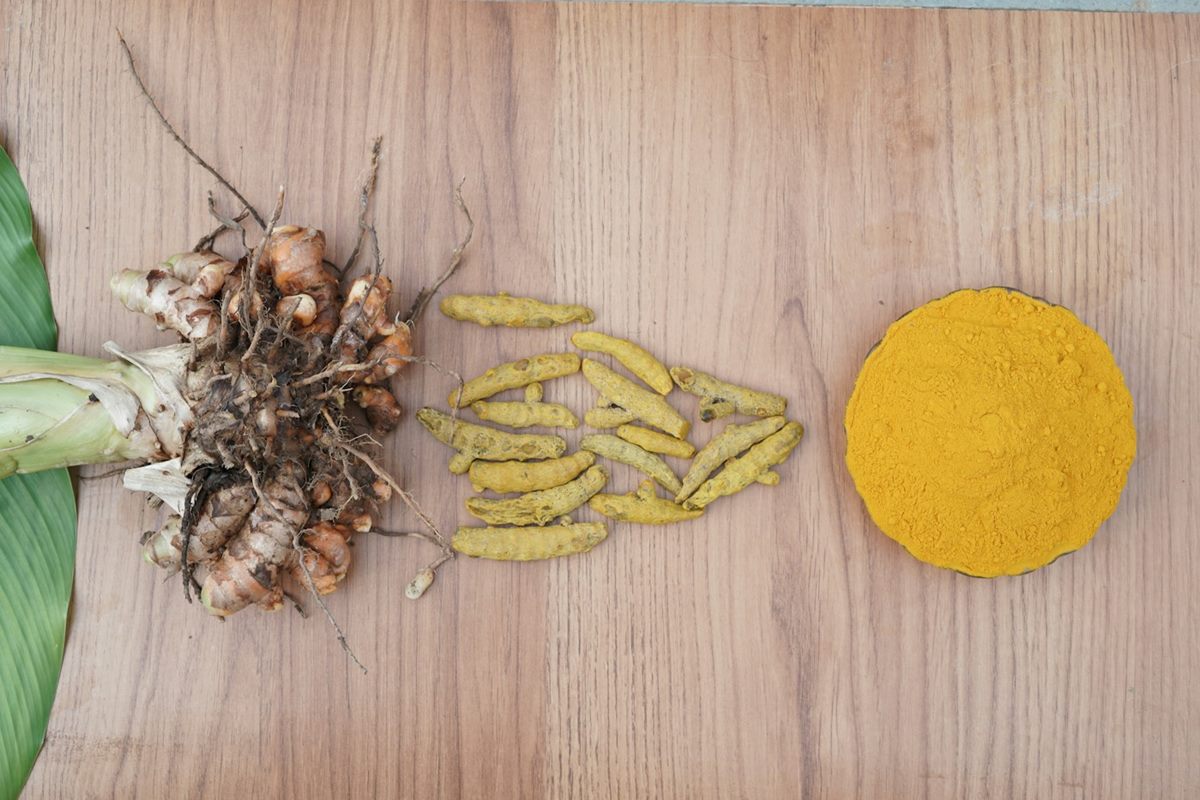
- Spices such as turmeric, ginger and black pepper in everyday cooking
- Fewer ultra-processed foods, sugary drinks and less alcohol
7. Consider natural support with care
Some people complement their routine with botanical supplements. These approaches may contribute to wellbeing and are easy to fit into a daily habit, but they are not a substitute for medical assessment — and they cannot tell you whether your pain comes from osteoarthritis, an injury, gout or something else.
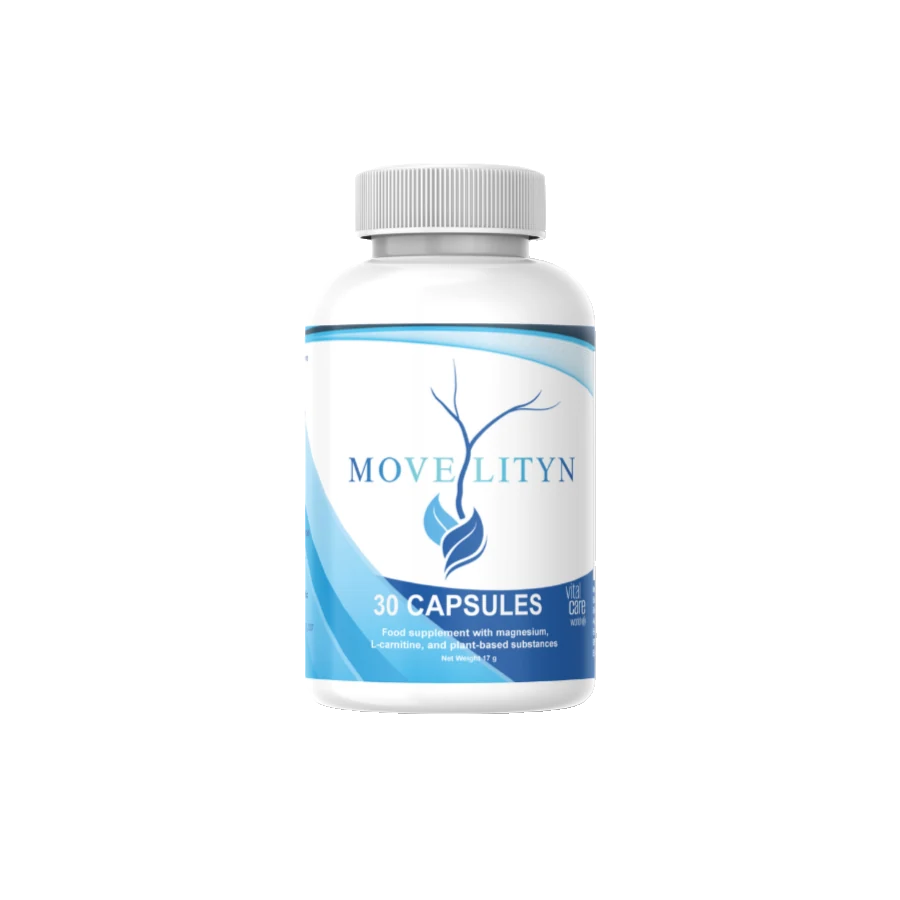
Turmeric (Curcuma longa) is one of the most widely researched botanicals for joint comfort. Its curcuminoids are studied for their role in the body’s normal inflammatory response, and several clinical trials in people with knee osteoarthritis have reported improvements in pain and function. Black pepper extract (piperine) is often added because it markedly increases how much curcumin the body absorbs. The studies vary in size and quality, and we set out exactly what they do and do not show, with every study named, on our transparency page. If you take prescription medicines, particularly blood thinners, or have gallbladder or liver problems, ask a doctor or pharmacist before starting any supplement.
8. Protect your sleep, and check your medicine cabinet
Pain disturbs sleep, and poor sleep makes pain feel worse the next day. A regular bedtime, a supportive mattress, a pillow between the knees if you sleep on your side and a warm bath in the evening can all help break that cycle.
At the pharmacy, ask before you buy. For aching knees and hands, anti-inflammatory gels rubbed into the skin are often suggested before tablets, because less of the medicine reaches the rest of the body. A pharmacist can advise what suits your joints and any medicines you already take, and when to see a doctor instead.
When should you seek medical advice?
Joint pain after an unusually active day usually settles on its own within a few days. But pain that persists, keeps returning or comes with other symptoms should be checked. An assessment separates osteoarthritis from inflammatory arthritis, gout, tendon problems and less common causes that need their own treatment — and some of them respond much better when treated early.
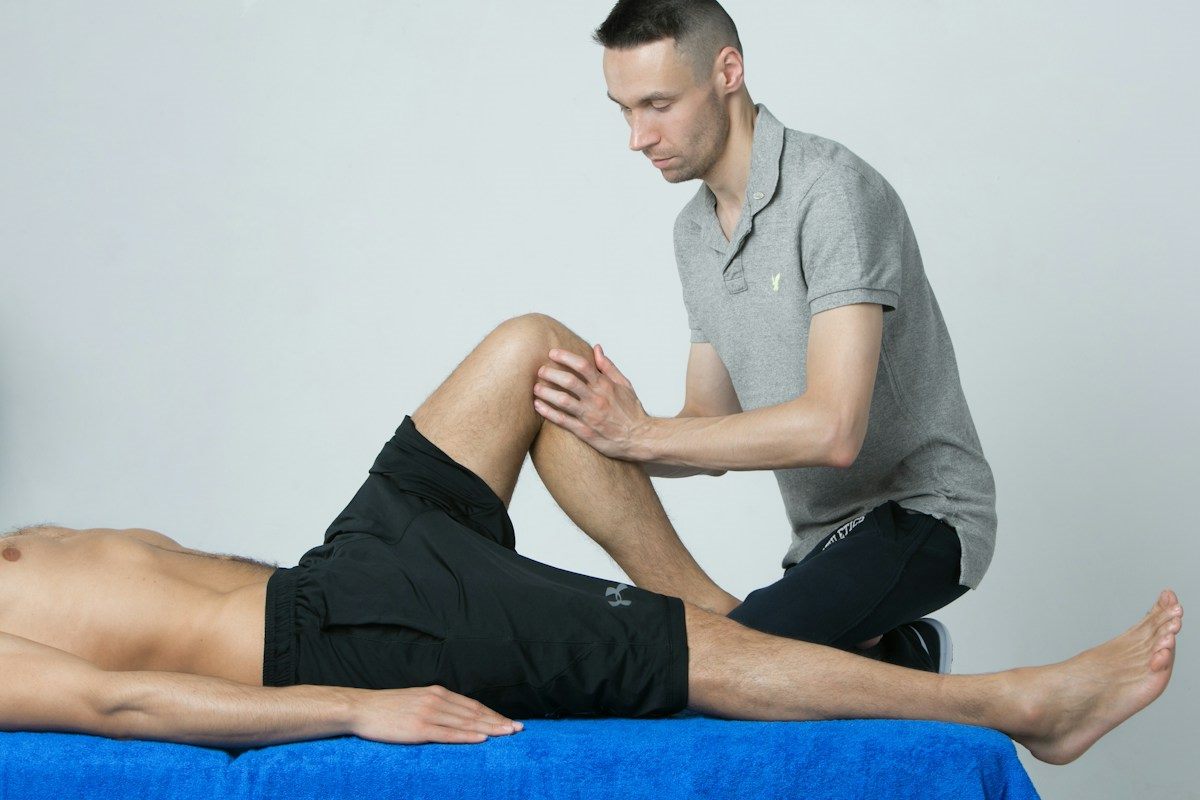
Seek medical help urgently if:
- a joint is suddenly hot, red and swollen, especially if you also have a fever or feel unwell
- you cannot put weight on a leg or move a joint after a fall or injury
- a joint looks deformed or you heard a crack or pop at the time of injury
- pain is severe and came on suddenly without an obvious reason
Arrange a routine appointment if you have:
- joint pain that has not improved after two weeks of self-care
- swelling in several joints, or morning stiffness that lasts longer than about 30 minutes
- pain that wakes you at night or is getting steadily worse
- a joint that locks, gives way or keeps clicking painfully
- unexplained weight loss, fatigue, a rash or a fever alongside joint pain
A doctor or physiotherapist will usually ask about your symptoms, examine the joint and how it moves and, if needed, arrange blood tests, an X-ray or a scan. The sooner that is done, the sooner you can stop guessing.
Frequently asked questions about joint pain
What is the quickest way to ease joint pain at home?
For everyday aches and stiffness, warmth (a warm shower, bath or heat pack for 15 to 20 minutes) followed by a few minutes of gentle movement through the joint’s comfortable range usually helps fastest. For a joint that has suddenly become swollen after overdoing it, a cold pack wrapped in a towel for 10 to 15 minutes and a short rest work better. A pharmacist can advise on pain-relief gels or tablets. A hot, red, swollen joint with a fever, or a joint you cannot bear weight on, needs urgent medical help.
Should I use heat or ice on a sore joint?
As a general rule, heat suits stiffness and long-standing aching because it relaxes muscles and makes movement easier, while cold suits a fresh flare-up, swelling or a recent strain because it calms the area. Always wrap heat or ice packs in a towel, keep sessions to about 15 to 20 minutes and do not use them on numb skin or over poor circulation without advice.
Is walking good for knee pain?
For most people with aching or arthritic knees, yes. Regular walking keeps the joint moving, strengthens the muscles that support it and helps with weight control. Start with shorter walks on flat ground in supportive shoes and build up gradually. Some discomfort during and after activity is common and is not usually a sign of harm, but pain that is much worse the next day suggests you should ease back slightly.
Why do my joints ache more in cold, damp weather?
Many people notice it, although the research is mixed. Likely reasons are that muscles and soft tissues tighten in the cold, people move less on cold, wet days and changes in air pressure may affect sensitive joints. Keeping warm in layers and staying active indoors usually help.
Which foods are good for aching joints?
No single food cures joint pain, but a Mediterranean-style diet rich in vegetables, fruit, wholegrains, pulses, olive oil, nuts and oily fish supports general health and a healthy weight, which matters most for weight-bearing joints. Spices such as turmeric and ginger are easy to add to everyday cooking.
Does cracking your knuckles or joints cause arthritis?
There is no good evidence that it does. The popping sound is usually gas bubbles in the joint fluid or tendons moving over bone. Clicking that is painless is common and harmless; clicking with pain, swelling or locking should be checked.
When should I see a doctor about joint pain?
Seek urgent help if a joint is suddenly hot, red and swollen, especially with a fever, if you cannot put weight on it after an injury, if it looks deformed or if pain is severe and sudden. Book an appointment if pain has not improved after two weeks of self-care, several joints are swollen, morning stiffness lasts longer than about 30 minutes, the pain wakes you at night or you are losing weight without trying.
Can turmeric help with joint pain?
Turmeric and its curcuminoids are among the most studied botanicals for joint comfort. Several small to medium clinical trials and meta-analyses in people with knee osteoarthritis have reported improvements in pain and function, but the studies vary in quality and size, so the evidence is promising rather than conclusive. Turmeric is not a treatment for arthritis. It can be one part of a routine built on movement, strength and a healthy weight. Ask a doctor or pharmacist first if you take blood thinners or other prescription medicines.
Movelityn as complementary support in everyday life
Most people do not need one single trick. They need a routine that holds: regular movement, warmth when joints feel stiff, stronger supporting muscles, a joint-friendly weight and good sleep — with complementary nutritional support alongside it.
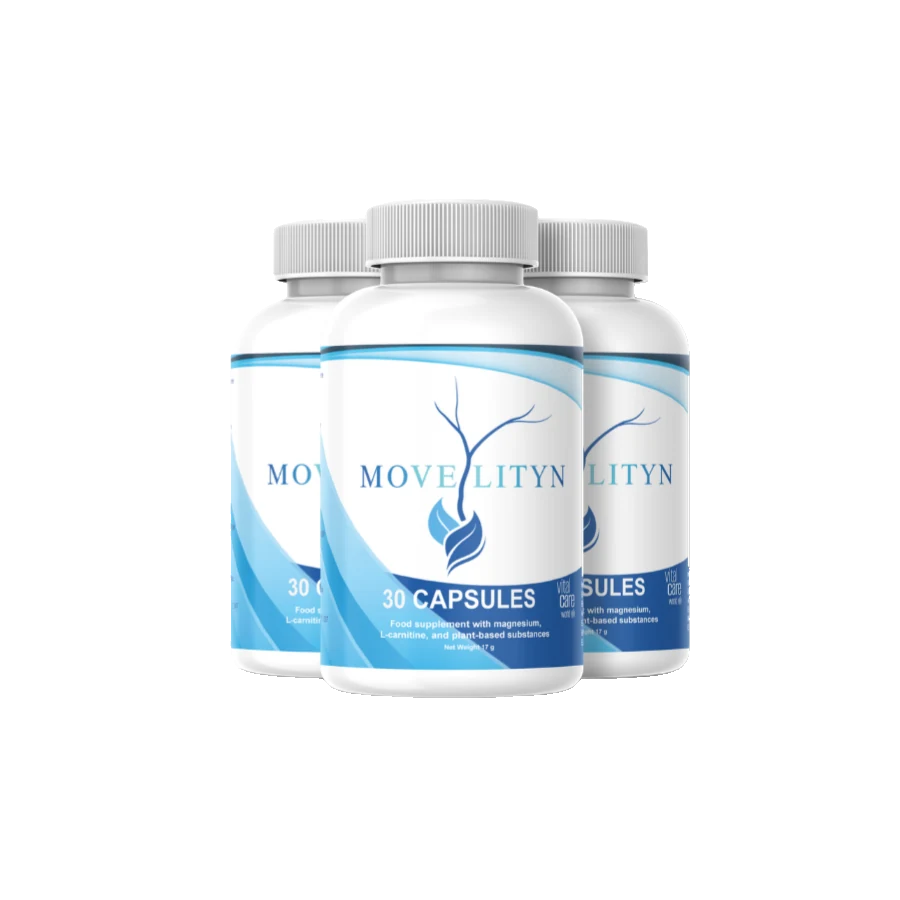
Movelityn is a natural food supplement for people who want to support comfortable, flexible movement as part of their daily wellbeing routine. It does not replace a diagnosis or medical treatment, but it is easy to build into your day: one capsule twice a day, ideally 20 to 30 minutes before a meal with a glass of water.
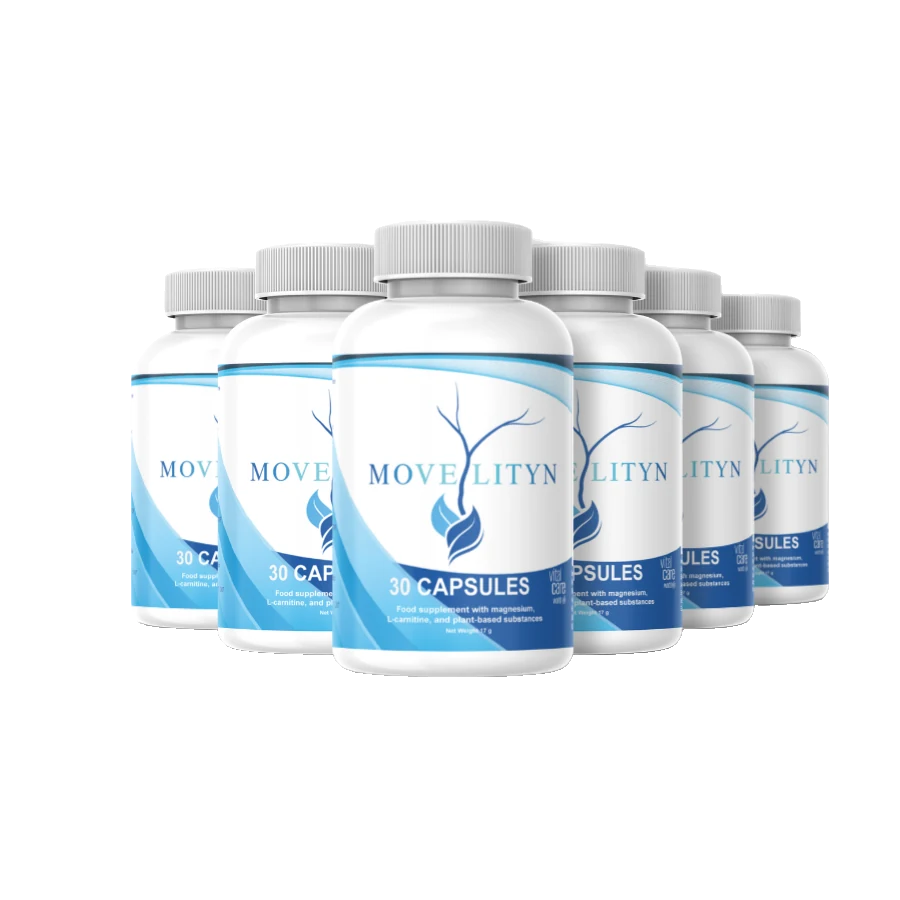
- Turmeric rhizome (1,200 mg) – Curcuma longa, the golden spice used in traditional kitchens for centuries
- Standardised turmeric extract (100 mg) – 95% curcuminoids, providing 96.8 mg of curcumin per daily serving
- BioPerine® black pepper extract (10 mg) – standardised to 95% piperine, included because piperine increases how well curcumin is absorbed
- 60 capsules per bottle – a full month’s supply at two capsules a day
Every ingredient and every amount is printed on the label, with nothing hidden behind a proprietary blend. You can read the full label, and the published research behind each ingredient, on the Movelityn transparency page.
Discover Movelityn
as daily support.
Learn more about Movelityn
Movelityn is a food supplement, not a medicine. It can complement a mindful routine around regular movement, comfortable joints and everyday wellbeing. If symptoms are new, worsening or significant, medical advice remains essential.
Wondering whether Movelityn is legitimate? Read our transparency article: Is Movelityn a scam or legit?